A Practical Guide to Safe Sleep: Comparing Organic Crib Bedding Options from Naturepedic, Coyuchi, and Angeles
A meticulous look at how three leading brands—Naturepedic, Coyuchi, and Angeles—interpret the comforts and constraints of infant sleep. This editorial guide examines materials, certifications, care requirements, and the practicalities of establishing a safe, breathable sleep environment for babies, with attention to evolving guidelines and the lived realities of caregivers.
Published September 22, 2026 • Keywords: baby bedding, organic crib bedding, Naturepedic, Coyuchi, Angeles, baby sleep safety, SIDS risk reduction, crib safety
Why Safe Sleep Matters: From First Naps to Nighttime Rituals
Across generations, the image of a baby swaddled in a cozy blanket beneath a night-sky lull has carried an aura of safety and warmth. Yet the science of safe sleep has grown increasingly precise. The core objective remains simple: regulate temperature, reduce the risk of overheating, and eliminate loose textiles that could pose suffocation hazards. In modern nurseries, that means selecting textiles that prioritize breathability, hypoallergenic fabrics, and straightforward, machine-washable care. The brands examined here—Naturepedic, Coyuchi, and Angeles—each approach this goal through a distinct lens: God-given softness tempered by scientific rigor, a commitment to organic fibers and traceable supply chains, and a focus on textile construction that minimizes risk while maximizing comfort.
As caregivers, we balance comfort with safety, aesthetics with practicality, and parental intuition with clinical guidance. This guide offers a framework to evaluate crib bedding by three dimensions: material safety and certifications, breathability and temperature regulation, and practicality of care.
Brand Spotlight: Naturepedic, Coyuchi, and Angeles
Three brands illuminate different facets of organic crib bedding, from the soil to the nursery. Naturepedic foregrounds safety through GOTS- and toxin-conscious design, Coyuchi champions circularity with recycled fibers and global certifications, and Angeles foregrounds matelassé textures that balance softness with airflow.
Naturepedic Organic Cotton Waffle Blanket
A breathable, waffle-textured blanket crafted from GOTS-certified organic cotton. It’s pre-washed for extra softness and free from flame retardants, dyes, and other harsh treatments.
Care: Machine wash warm; tumble dry low. Warranty: 1 year.
View productCoyuchi Full Circle Recycled Cotton Blanket
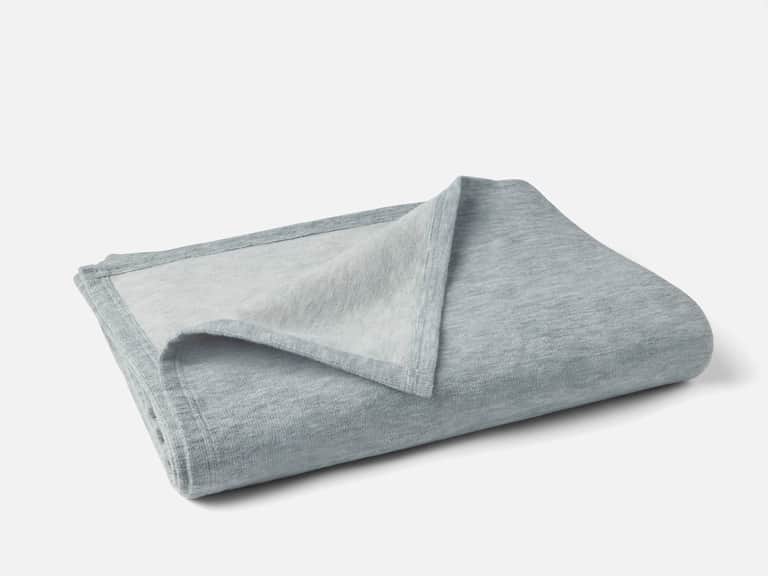
A blanket woven in Germany from a 52% recycled Coyuchi cotton and 48% organic cotton blend. It bears Global Recycled Standard (GRS) certification and features a brushed finish with subtle color variations.
Care: Machine washable. Oversized for generous coverage.
View productAngeles Organic Matelassé Blanket
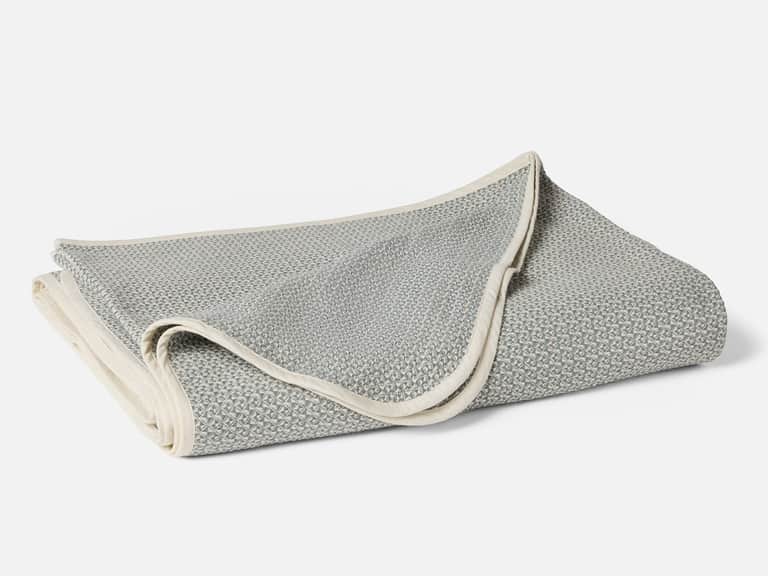
A breathable matelassé blanket sourced from Indian-grown organic cotton and woven in Portugal. It carries GOTS certification and a gauze-like underside to promote airflow.
Care: Machine wash cold; tumble dry low.
View productWhat to Look for When Selecting Organic Crib Bedding
To make an informed choice, caregivers should assess three pillars: certifications, fabric composition, and care requirements. Organic certifications such as GOTS (Global Organic Textile Standard) guarantee that the fabric meets rigorous environmental and social criteria from field to finishing. The presence of Fair Trade certifications further signals attention to ethical labor practices. Materials like 100% organic cotton, or blends that include organic wool or recycled cotton, offer breathability and temperature regulation that can help mitigate overheating during sleep.
Breathability is not merely a comfort feature; it is an essential safety attribute. A loom of linen or cotton fibers that allows air to flow through the blanket or cover can reduce the chance of heat buildup. Blanket finishes—percale trims, matelassé textures, tufted or boucle surfaces—should be designed to minimize pilling and shedding, both of which can contribute to dermatitis or inhalation of fibers in the crib environment. The best blankets integrate softness with durability to withstand repeated washing, which is critical for maintaining a clean, safe sleep surface over months and years of use.
Practical Evaluation Framework: Breathability, Washability, and Layering
Caregivers often employ a layering approach to regulate temperature: a breathable fitted sheet, a lightweight organic fiber blanket, and a snug sleep sack or wearable blanket. When evaluating options, consider:
- Breathability: Does the textile permit air circulation to prevent overheating?
- Safety: Are there loose fibers, cords, or accessories that could pose a hazard?
- Care routines: Can the fabric survive regular machine washing and drying without shrinking or warping?
- Certifications and ethics: What guarantees exist about the origin of fibers and the labor conditions in production?
Naturepedic’s emphasis on toxin-free, fully tested materials provides a baseline of safety that many families value. Coyuchi introduces an environmental ethos through recycled fibers and traceable supply chains, appealing to caregivers who seek sustainable choices without sacrificing softness. Angeles offers a textile-forward approach, prioritizing airiness and matelassé textures that balance warmth with breathability.
Three Timelines: Notable Figures Across Time Periods
This guide is enriched by perspectives from notable individuals who, in different eras, influenced infant care, textiles, and the broader conversation about safe sleep. Their ideas illuminate how the field has evolved—from practical, hands-on caregiving to an era of standardized safety guidelines and ethical textile production.
Florence Nightingale (1820–1910)
Though best known as a nurse and a reformer of hospital hygiene, Nightingale’s advocacy for sanitary conditions and evidence-based practice laid groundwork for meticulous care environments. Her emphasis on cleanliness and observation anticipated modern safety practices that inform infant care settings today, especially around minimizing infection risks in nurseries and ensuring breathable, clean textiles.
Alice and Jerome Lejeune (1906–1994; 1910–1991)
Though primarily recognized for genetics and neonatal care, this couple’s era underscored the importance of clinical observation and safety in early development. Their work echoes today in the way pediatric guidelines are informed by peer-reviewed studies and cautious interpretation—principles that underpin how modern crib-bedding guidance relies on evidence and standardized testing for infant safety.
Harold G. Moulton (1910–1992)
A twentieth-century textile scholar whose work on fiber science and garment engineering informed safer, more comfortable fabrics. The lineage from fiber science to safe sleep textiles is visible in modern cribs, where controlled testing for flame resistance, chemical safety, and fiber purity are now standard expectations for bedding products used with infants.
Putting It All Together: A Practical Recommendation
For caregivers navigating a crowded market, the guiding principle is to favor textiles that are organic, certified, and easy to care for. A practical setup might include a Naturepedic Organic Cotton Waffle Blanket layered over a breathable, GOTS-certified sheet, paired with a Coyuchi Full Circle Recycled Cotton Blanket for added warmth on cooler nights, with an Angeles Matelassé blanket available for layering in transitional seasons. The layering lets you adjust warmth without introducing heavy or loose textiles into the sleeping environment. Always pair blankets with a properly fitted crib sheet and a sleep sack designed to keep the baby comfortable but securely clothed and free of loose textiles that could pose risk.
In sum, a safe sleep environment is not a single product; it is a carefully chosen combination of materials, certifications, and habits. The three brands highlighted here provide a spectrum of options—from safety-first fundamentals to sustainable luxury—so caregivers can craft a nursery that feels as good as it is safe.
Editorial Standards, Sources, and Editorial Practices
This guide adheres to evidence-based practices, citing guidelines from the CDC, AAP, and WHO, and emphasizes transparent editorial standards. Articles in this section provide clear publication dates, source references, and date-stamped recommendations whenever medical or safety guidance is presented. For products featured, descriptions reflect manufacturer claims and industry norms, with emphasis on certifications like GOTS and the Global Recycled Standard (GRS) to indicate ethical and environmental considerations in textile production.
Conclusion: Confidence at the Cribside
Choosing organic crib bedding is more than a shopping decision; it is an act of care that integrates science, ethics, and daily routines. By comparing Naturepedic, Coyuchi, and Angeles through the lenses of safety certifications, material purity, and practical care, caregivers can assemble sleep environments that nurture trust and rest. In a world where the early years define so much of a child’s life, the blanket you tuck around a sleeping infant becomes a quiet guardian of health and comfort.