Textiles & comfort
Silk or Alpaca? Comparing Mulberry West and St Geneve Throws
One begins with a smooth, light-catching filament; the other with the soft fleece of an animal adapted to high mountain air. Mulberry West silk and St Geneve baby alpaca throws offer two distinct ways to add warmth at home. The right choice depends less on which fiber sounds more luxurious than on how you want a throw to feel, how you plan to use it, and whether its care routine fits everyday life.
Two fibers, two kinds of comfort
A throw is a small landscape of its own: a layer gathered over a reading chair, folded at the foot of a bed, or drawn across the shoulders during a cool evening. Its comfort comes from more than warmth alone. Surface feel, weight, drape, breathability, and the rituals of care all shape how often it earns a place in daily life.
Mulberry West’s silk blanket is described as a generously sized, 75-gram silk-filled blanket with a soft satin trim. The product information identifies mulberry silk as its central material and emphasizes lightness, temperature regulation, and a smooth, flowing hand. The St Geneve throws take a different route: their baby alpaca fiber is woven into a textile with a soft feel, a graceful drape, and the insulating character associated with alpaca. The Alfie, Zuri, and Bruno designs are described as 100% baby alpaca; each has its own pattern and finish.
These are not interchangeable versions of the same thing. Silk tends to bring a fluid, cool-to-the-touch impression and a light, fine surface. Alpaca tends to feel more plush and enveloping, with warmth that can seem substantial without making the fabric feel heavy. Individual construction matters, however. A fiber label cannot tell the whole story: weave, finish, dimensions, fill, and the way a blanket is assembled all contribute to its character.
What a silk throw feels like
Silk is a natural protein fiber, spun by silkworms into fine filaments. In a finished blanket, those filaments can create an unusually smooth surface and a supple drape. Silk reflects light softly, so it often carries a subtle sheen rather than the matte, fuzzy appearance of many wool textiles. Against the skin, it may feel sleek and cool at first touch, a sensation that can make it appealing in rooms that are comfortably warm or for people who prefer a lighter layer.
The Mulberry West description presents its blanket as a temperature-conscious option. Silk can interact with changes in the surrounding environment and has a fine structure that does not feel bulky. That does not mean it actively controls room temperature or guarantees a particular sleep climate. Personal comfort depends on the room, clothing, bedding, individual sensitivity, and how the blanket is used. Think of the material as one part of a layered environment, not as a thermostat.
The listed 75-gram fill points to a lightweight construction, while the satin trim adds a smooth finished edge. The description gives a TwinXL measurement of 68 by 90 inches and lists other sizes and weights, though some size availability is noted as unavailable. Because size and fill can change the way a blanket hangs and feels, check current specifications before buying rather than assuming every size has identical dimensions or weight.
Silk can suit someone seeking a refined, low-bulk layer that moves easily across the body or bedding. It may also be a choice for a household where a smooth finish matters more than a fuzzy or lofty texture. The trade-off is that a delicate, fine textile asks for considered handling. A soft surface can be lovely, but it may not be the most carefree choice for frequent spills, rough use, or a wash-every-week routine.
Baby alpaca: warmth with a soft hand
Alpacas are native to the Andean region of South America, where their fleece has long been valued as a textile fiber. “Baby alpaca” refers to a fine grade of alpaca fiber; it does not necessarily mean the fiber came from a young animal. In a well-made throw, the fiber can yield a soft surface and a fluid drape while holding warmth with comparatively little bulk.
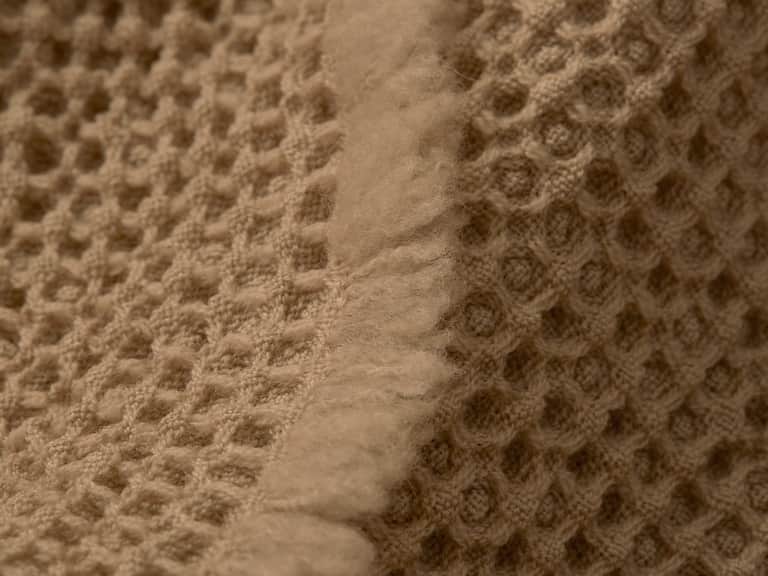
St Geneve’s Alfie, Zuri, and Bruno throws are described as 100% baby alpaca and woven in Peru. Their details offer useful distinctions. Alfie is presented as a softly lustrous throw with an elegant drape. Zuri has a herringbone weave and eyelash fringe, creating a more visibly textured, patterned surface. Bruno features a labyrinth motif and a refined palette. All are described as having a soft hand and lasting warmth, but their patterns, dimensions, and finishing details differ.
Alpaca’s appeal often lies in the balance between insulation and weight. A throw can feel warm without having the dense, heavy sensation some people associate with winter blankets. Its surface is generally more tactile than silk’s: rather than a satin-like glide, expect a gentle, wool-like softness. Fiber quality and finishing influence the result, so terms such as “soft” or “lightweight” are best understood as a guide to the intended experience, not a promise that every person will perceive a textile in the same way.
Although alpaca is sometimes described as suitable for sensitive skin, that phrase is not a guarantee against irritation or allergy. Responses vary, and the feel of the finished fabric depends on more than fiber type. If someone in the home is especially sensitive, handling a sample or reviewing a seller’s return policy may be more useful than relying on a general material claim.
Feel, warmth, weight, and drape
When comparing a silk throw with a baby alpaca throw, start with the everyday sensation you want. Silk is the more sleek and fluid option. It tends to slip and settle rather than hold a fuzzy, lofted surface. Alpaca is the more softly insulating option, with a gentle textile texture and a wraparound sense of warmth. Neither description means one fiber is universally cooler or warmer in every setting: weave, thickness, fill, and the surrounding temperature affect the actual experience.
Weight deserves particular attention. The Mulberry West blanket’s 75-gram fill is a product specification, while St Geneve’s listings emphasize baby alpaca fiber and weaving rather than a comparable fill-weight figure. Those measurements are not directly equivalent. A filled silk blanket and a woven alpaca throw are different constructions; comparing a number from one with a general material description from the other would not provide an apples-to-apples measure of warmth.
Drape is another quiet but important difference. Silk’s smooth hand can create a flowing line over a chair or bed. Alpaca’s woven structure can still drape gracefully, but its surface and pattern give it more visual and tactile presence. If the throw will mainly serve as a decorative layer, color and design may matter as much as temperature. If it will be wrapped around shoulders, consider whether you prefer a slick, light sensation or a softer, more embracing one.
Neither choice should be judged by fiber alone. Look for the finished dimensions, construction, edge treatment, and any care restrictions. A smaller throw may feel convenient in a reading nook but less useful across a bed; fringe or delicate edging may influence how it is handled and stored. Reading the specific product details is a practical step, not an afterthought.
The care question: luxury meets laundry
For many households, the decisive comparison is not touch but upkeep. The Mulberry West listing describes its silk blanket as easy to clean but does not provide a detailed laundering procedure in the supplied specifications. Before washing, spot-treating, or sending it to a cleaner, follow the care label and the current manufacturer’s instructions. Silk finishes, filling, and trim can respond differently to water, heat, agitation, and cleaning products.
The St Geneve baby alpaca throws specify dry-clean-only care. That instruction is central to the ownership experience. A throw used occasionally in a low-traffic room may need little attention, making professional cleaning manageable. A throw used every day around food, pets, or children may require more frequent cleaning than its owner wants to arrange. Dry cleaning is not a flaw; it is simply a real cost in time, planning, and money that belongs in the decision.
Between uses, basic habits can help preserve a textile: avoid pulling at loose threads or fringe, fold it rather than compressing it tightly for long periods, and keep it away from damp storage. For a stain, resist the instinct to scrub or apply a household cleaner without checking the care guidance. Rubbing can alter a delicate surface, and an unsuitable product may affect color or texture. When uncertain, ask the manufacturer or a qualified textile cleaner before taking action.
Care instructions also shape sustainability in practice. A well-loved blanket kept in use for years may be more useful to a household than one selected for an appealing fiber story but avoided because its maintenance feels burdensome. Consider the full life of the item: how often it will be used, how it will be cleaned, and whether it will fit the routines of the people who live with it.
Choosing for real rooms and real routines
For an adult who wants a fine, lightweight layer with a sleek finish, the Mulberry West silk blanket may be the closer match. Its description emphasizes a smooth satin edge, generous size, and relatively light fill. It can make sense for someone drawn to silk’s cool, fluid hand and willing to check the care label before cleaning.
For someone who prioritizes soft warmth, a more tactile surface, and an ornamental pattern, one of the St Geneve baby alpaca throws may be a better fit. Alfie, Zuri, and Bruno provide different design languages within the same broad material family. The choice among them is a matter of pattern, color, and size as much as fiber. Their dry-clean-only care should be comfortable for the intended use.
Think about where the throw will live. A bedroom accent used mostly for display faces different demands from a blanket carried between sofa, guest room, and patio. A throw in a shared space may encounter more hands, more snacking, and more chances of spills. If those conditions are common, ease of maintenance could matter more than a slight difference in softness. If the item is mainly for occasional, quiet use, a more particular care routine may be acceptable.
Before deciding, ask a few grounded questions:
- Do I prefer a smooth, sleek feel or a soft, more enveloping texture?
- Will the blanket be used often enough that cleaning logistics become important?
- Does the listed size suit the chair, bed, or person it is intended for?
- Are the current care instructions clear, and can I follow them consistently?
- Will the throw be used only by adults, or might it enter a space shared with an infant?
That last question deserves special care. A beautiful blanket can belong in a family home without belonging in an infant’s sleep space. Adult décor choices and infant sleep safety are different decisions, guided by different needs.
A clear boundary for baby safety
Silk and alpaca throws are household textiles, not substitutes for safe infant sleep products. Do not place a loose throw, blanket, quilt, or other soft object in a baby’s sleep space. Current safe-sleep guidance from recognized public health and pediatric authorities advises keeping the infant sleep area clear of loose bedding. For up-to-date recommendations, consult sources such as the American Academy of Pediatrics, the U.S. Centers for Disease Control and Prevention, or the relevant public health authority where you live.
A soft or breathable fabric does not make a loose blanket appropriate for unattended infant sleep. Nor do organic fibers, natural materials, or a product’s intended use for adults change that principle. A throw may be used in an adult setting or in a family space when an adult is present and the baby is not left sleeping with loose bedding. When a baby is asleep, follow current guidance and use an appropriate, uncluttered sleep setup.
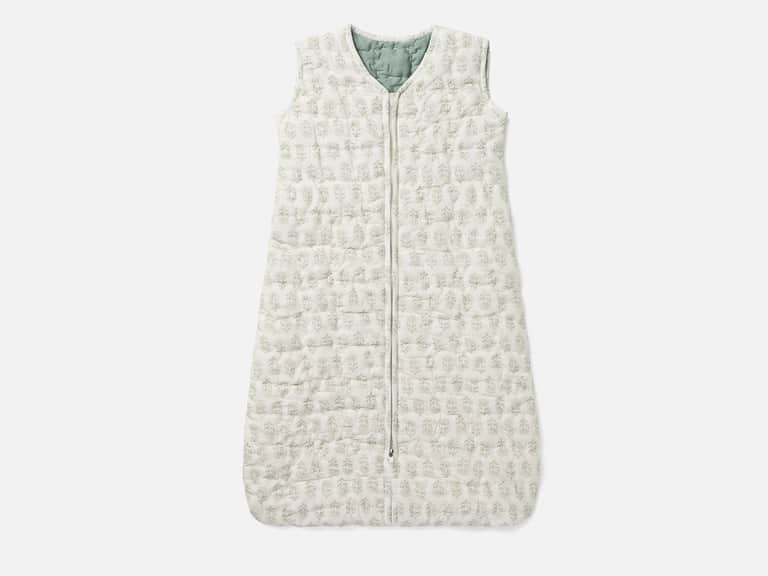
Swaddling and wearable sleep products have their own fit, age, and use considerations. Caregivers should follow current professional guidance and the product’s instructions rather than adapting an adult throw for infant sleep. If there is uncertainty about a baby’s sleep arrangement, ask a pediatric health professional for advice specific to the child and family.
A considered verdict
Mulberry West silk and St Geneve baby alpaca throws offer distinct kinds of comfort. Silk leans toward smoothness, lightness, and a graceful, fluid finish. Baby alpaca leans toward soft warmth, tactile texture, and an insulating feel with a gentle drape. The contrast is not simply “cool versus warm”; it is a difference in surface, construction, and the way each piece fits into a household’s habits.
For shoppers drawn to a sleek, lightweight layer, silk may be the more appealing choice—provided the product’s precise cleaning instructions are understood. For those seeking a softer, more enveloping feel and who are comfortable arranging dry cleaning, St Geneve’s alpaca throws offer another route. Look closely at the individual design, dimensions, and care label, since those details can matter as much as the fiber name.
In the end, the best throw is the one that feels right in the room where it will be used and remains practical enough to be used often. Let the texture invite you, let the care label inform you, and keep infant sleep guidance separate from the pleasures of adult bedding. A considered choice can bring warmth to a home without confusing comfort with safety.